Retirement can open the door to a new chapter of life, one filled with more time, new experiences and opportunities to focus on the things that bring happiness and fulfilment. Staying active and involved is an important part of making the most of this stage of life.
Activities for seniors are about much more than simply filling time. Whether it is joining an exercise class, playing a favourite game, enjoying an arts and crafts session, spending time in the garden or sharing a cup of tea with friends, meaningful activities can support physical health, mental stimulation, emotional wellbeing and social connection.
The right activities can also give seniors something to look forward to, encourage independence and create opportunities to form new friendships.
Staying Physically Active
Regular movement is an important part of healthy ageing. Physical activity does not have to involve intense exercise or long workouts. For seniors, gentle and enjoyable movement can be incorporated into everyday life in many different ways.
Activities such as walking, stretching, gardening, dancing, gentle exercise classes, swimming and even household activities can encourage movement. The type and amount of activity should always be appropriate for an individual’s abilities and any guidance they have received from a healthcare professional.
How can seniors benefit?
Staying physically active can help seniors maintain strength, flexibility, balance and mobility. Regular movement can also support the ability to carry out everyday activities, such as walking comfortably, getting dressed, preparing meals or moving around the home.
For example, a senior who regularly participates in a gentle exercise or stretching class may find that they feel more comfortable moving throughout the day. Someone who enjoys gardening may benefit from the combination of light physical movement, time outdoors and the satisfaction of caring for plants.
Even a short walk with a friend can provide several benefits at once, it encourages movement while also creating an opportunity for social interaction.
The key is to find movement that is enjoyable and sustainable rather than treating exercise as a chore.
Keeping the Mind Engaged
Just as the body benefits from movement, the mind benefits from stimulation and variety.
There are many ways for seniors to keep their minds engaged. Reading, completing puzzles, playing cards, participating in quizzes, learning a new skill, doing crafts, listening to music and taking part in discussions can all provide opportunities to think, remember, concentrate and create.
Trying something new can be particularly rewarding. A senior might learn how to play a new board game, experiment with painting, attend a talk about an interesting subject or learn a new recipe.
How can seniors benefit?
Mentally stimulating activities can encourage concentration, creativity and problem-solving. They can also provide a sense of accomplishment.
For example, completing a crossword puzzle requires concentration and recalling information. Playing a card or board game can involve remembering rules, making decisions and interacting with other people. Learning a new craft may require following instructions, practising a skill and solving small challenges along the way.
These activities are not about being the best or getting everything right. The process itself can provide enjoyment and mental engagement.
Learning does not have an age limit, and retirement can provide an opportunity to explore interests that may not have had time for earlier in life.
Supporting Emotional Wellbeing
Having enjoyable activities to look forward to can add positivity and structure to everyday life.
Retirement can bring significant changes to a person’s routine. Leaving the workplace may mean having fewer scheduled commitments or less regular interaction with colleagues. Activities can help create a new routine centred around interests, relationships and enjoyment.
Music, art, gardening, cooking, reading, exercise and social gatherings can all provide opportunities to relax and focus on something enjoyable.
How can seniors benefit?
Meaningful activities can provide a sense of achievement, enjoyment and personal expression.
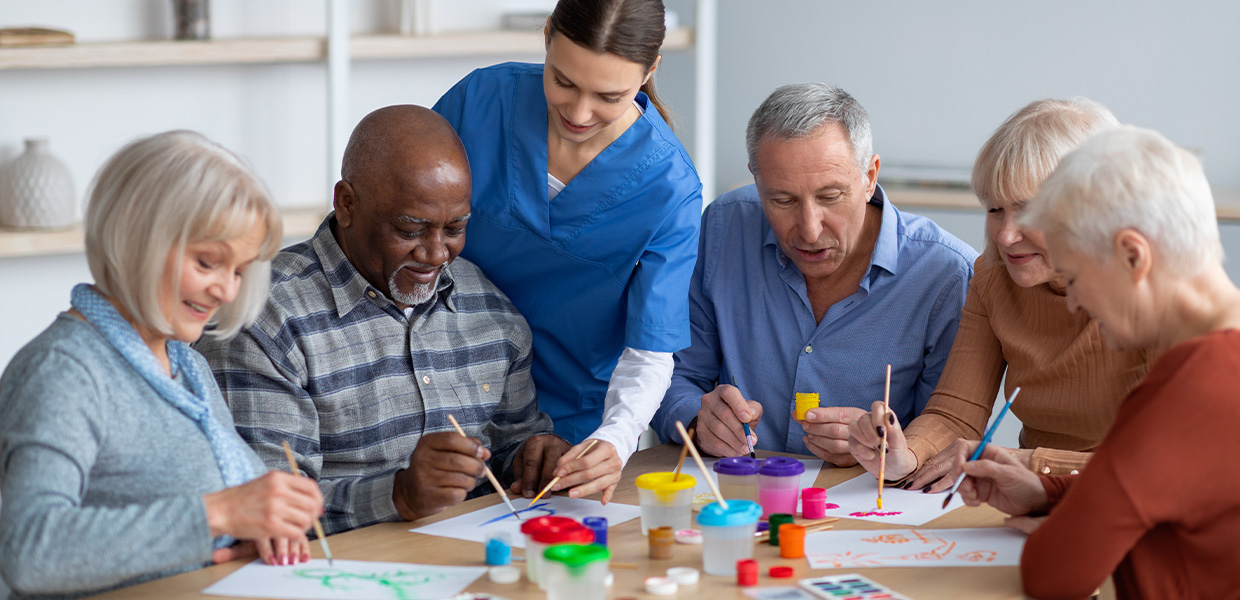
Consider a senior who enjoys painting. Spending an afternoon working on a painting provides more than something to do. It allows them to be creative, make decisions about colours and designs, and experience the satisfaction of seeing a finished piece.
Similarly, someone who enjoys baking might find pleasure in preparing a favourite recipe and then sharing the results with friends or family.
These small moments can give a person something positive to anticipate and can help create a greater sense of purpose in their daily routine.
An activity does not have to produce something impressive to be meaningful, sometimes the enjoyment of doing it is the benefit.
Building Social Connections
Human connection remains important throughout life. Activities can create natural opportunities for seniors to meet people, develop friendships and spend meaningful time together.
Group activities such as quizzes, card games, exercise classes, arts and crafts, book clubs, gardening groups, movie afternoons and social lunches can make it easier to interact with others.
Even simple gatherings, such as having tea and cake with friends, can provide an opportunity to talk and catch up.
How can seniors benefit?
Regular social interaction can help seniors maintain relationships and feel connected to their community. Having familiar faces around can create a sense of belonging and provide opportunities for conversation and companionship.
For example, a weekly board-game afternoon may become something residents look forward to. Over time, people may get to know each other’s personalities, interests and stories. What begins as a scheduled activity can develop into genuine friendships.
Group activities can also make it easier for someone who is new to a community to meet others. Instead of having to approach people without a shared topic of conversation, the activity itself creates a natural starting point.
Sometimes, the greatest benefit of an activity is not the activity itself, but the people you experience it with.
Creating a Sense of Purpose
Purpose can come from many different places, and retirement does not mean that a person has to stop contributing, learning or having goals.
Having regular activities can create structure within the day and provide something meaningful to work towards. This could be caring for a garden, preparing something for a social event, helping another resident, participating in a community project or learning a new skill.
How can seniors benefit?
Having responsibilities or personal goals can provide a sense of achievement and usefulness.
For example, someone with a passion for gardening may enjoy helping maintain a communal garden. Another person might enjoy teaching fellow residents how to knit, play cards or prepare a favourite recipe.
These experiences allow seniors to share their knowledge and skills while contributing to the community around them.
Purpose can also come from setting personal goals. Someone might decide to finish a particular craft project, read a certain number of books or learn how to play a new game.
Purpose does not have to be something grand. Small goals, responsibilities and meaningful routines can make each day feel worthwhile.
Activities Can Bring Back Favourite Memories
Activities can also provide opportunities to reconnect with familiar interests, traditions and memories.
Music, food, photographs, gardening, crafts and games can all remind people of different periods in their lives.
A familiar song might remind someone of their younger years. Preparing a family recipe might bring back memories of cooking with parents or children. Playing a favourite card game may remind someone of weekends spent with friends.
How can seniors benefit?
Memory-based activities can encourage conversation and storytelling. Sharing these experiences with others can help seniors express themselves and give younger family members or new friends an opportunity to learn more about their lives.
For example, an afternoon spent looking through old photographs could become an opportunity to tell stories about family holidays, childhood experiences or important milestones.
Similarly, listening to music from a particular era can encourage residents to share memories associated with those songs.
Memories become even more meaningful when they can be shared with others.
Exploring Creativity
Creative activities can be an enjoyable way for seniors to express themselves and try something different.
Arts and crafts can include painting, drawing, knitting, crocheting, pottery, colouring, flower arranging, photography or creating decorations. Creativity does not require professional artistic ability, it is about enjoying the process.
How can seniors benefit?
Creative activities can encourage concentration, imagination and self-expression while providing a satisfying sense of accomplishment.
For example, someone who has never painted before may initially be unsure of their ability. After experimenting with colours and techniques, they may discover a new hobby they genuinely enjoy.
Craft activities can also provide opportunities for social interaction. Residents can work on their own projects while chatting with others, exchanging ideas or helping each other. There is also something special about being able to look at something you have created and say, “I made that.”
Enjoying the Outdoors
Spending time outdoors can be another valuable part of an active lifestyle.
Gardening, walking, birdwatching, enjoying a cup of tea outside or simply spending time in a garden can provide a change of scenery and an opportunity to connect with nature.
How can seniors benefit?
Outdoor activities combine several positive experiences. A garden walk, for example, can encourage gentle movement while providing fresh surroundings and an opportunity to enjoy plants, birds and changing seasons.
Gardening can also provide a sense of responsibility and accomplishment. Planting flowers, tending to herbs or caring for a small garden gives someone something to nurture and watch develop over time.
For someone who enjoys photography, nature can provide endless subjects to explore.
Sometimes stepping outside and enjoying a change of scenery can be a simple way to bring variety into the day.
There Is Something for Everyone
There is no single activity that is right for every senior. Personal interests, abilities, energy levels and previous experiences are different, which is why having a variety of options is important.
Some seniors may enjoy:
- Walking and gentle exercise – to encourage movement and maintain mobility.
- Gardening – for time outdoors, light activity and a sense of responsibility.
- Arts and crafts – for creativity, concentration and self-expression.
- Board games, cards and quizzes – for mental stimulation and social interaction.
- Reading and book discussions – for enjoyment, imagination and conversation.
- Music and dancing – for enjoyment, movement and memories.
- Cooking and baking – for creativity and the pleasure of sharing something with others.
- Birdwatching and nature activities – for relaxation and connection with the outdoors.
- Social gatherings and afternoon teas – for companionship and conversation.
- Creative writing or journaling – for reflection and self-expression.
- Learning new skills – for curiosity, confidence and mental stimulation.
- Spending time with family and friends – for connection, belonging and shared memories.
The goal is not to have the busiest schedule possible. It is about finding activities that are enjoyable, meaningful and suited to the individual.
Activities Can Be Adapted to Individual Abilities
One person may enjoy a long walk, while another may prefer a gentle stretching session. Someone may enjoy participating in a full arts and crafts project, while another may prefer listening to music or watching others create.
Activities can often be adapted to make them more accessible and comfortable.
For example, a group exercise session could include seated movements. A gardening activity could involve working with potted plants at a comfortable height. A game afternoon could include games with simple rules as well as more challenging options.
Why is this important?
When activities are accessible and flexible, more people can participate at a level that suits them.
This helps ensure that being involved is not about competing or keeping up with others. Instead, it becomes about enjoying the experience and participating in a way that feels comfortable.
The most meaningful activity is often the one that makes a person want to take part again.
Making Activities Part of Everyday Life
Staying active and engaged does not require a packed schedule. Even small activities can add enjoyment and purpose to an ordinary day.
Having a regular schedule can also make activities something to look forward to. A weekly craft session, monthly social event or regular exercise class can provide positive structure without making retirement feel overly scheduled.
A Life Filled With More Than Retirement
Retirement is not the end of an active or purposeful life. It can be an opportunity to rediscover old interests, explore new ones and spend more time doing the things that matter.
Activities can help create opportunities to move, think, connect, create and enjoy. From a gentle exercise session to a lively game of cards, every activity has the potential to add something positive to the day.
The benefits can be physical, mental, emotional and social — but perhaps most importantly, activities can bring a sense of enjoyment and connection to everyday life.
A Community Where Every Day Has Something to Look Forward To
At Lonehill Manor, we believe retirement should be about more than simply having a comfortable place to live. It is about staying connected, discovering new interests and enjoying meaningful experiences with others.
Our residents have opportunities to take part in a variety of activities, from gentle exercise and arts and crafts to board games, social gatherings and time spent enjoying our beautiful surroundings. These activities encourage residents to stay active, keep their minds engaged, build friendships and, most importantly, enjoy the everyday moments that make community living special.
Whether you are rediscovering a favourite hobby or trying something new, there is always an opportunity to connect, participate and enjoy life at your own pace.
Discover a retirement lifestyle where comfort, community and meaningful activities come together.
Contact Lonehill Manor Retirement Estate today to schedule a visit and discover how we can help you make the most of your retirement journey!